Seminar program 2026:
CULTURE OF PEACE
Through the Culture for Peace seminar program, we shine a spotlight on the importance of art and culture for building society. Art and culture strengthen our democratic values, demonstrate the power that resides in a social community, and understand each other.
The program brings together researchers, artists, politicians and social actors for critical reflection and knowledge exchange on the role of culture in the work to prevent conflicts, create peace and develop a democratic society.
The seminars are free. Everyone is welcome!
The seminar program is a collaboration between Førdefestivalen , Vestland County Municipality, Sunnfjord Municipality and the University College of Western Norway - and is supported by Fritt Ord.
Other partners: Norec, Tekstallianse and Sogn og Fjordane Art Museum
PROGRAM
WEDNESDAY 1 JULY 19:00-20:00
Sogn and Fjordane Art Museum
de:HUMANIZE - global voices, human dignity and space for expression
In collaboration with Sogn og Fjordane Kunstmuseum, the Culture for Peace seminar program opens with a conversation related to the contemporary art exhibition de:HUMANIZE . Through 30-40 works by artists from Africa, Europe and America, the exhibition raises global perspectives on the times we live in, and places human dignity at the center of political and societal reflection.
Many of the works address very current issues: war and peace, outsiderism, identity and belonging, and freedom of expression. The exhibition places global experiences and voices in a local context, inviting us to reflect on how art can open up for insight, resistance, and empathy.
The seminar is in Norwegian.
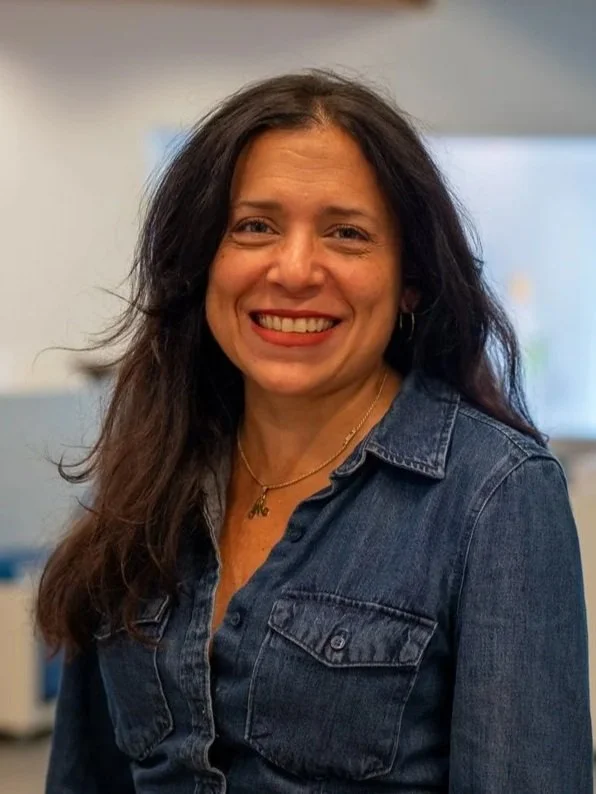
Bendik B. Egge, Director of Communication at the Nobel Peace Center, will give a presentation on art, freedom of expression and human dignity in our turbulent times. The presentation will be followed by a panel discussion with Egge, museum director Mayra Henriquez and artist Terje Grimen.
You can purchase tickets for the de:HUMANIZE exhibition at the museum reception.
THURSDAY, JULY 2, 10:00 AM-10:20 AM
Scene 2, Nynorskhuset
In a world where democracy is in sharp decline, artists and art and cultural institutions are under attack as never before. Authoritarian leaders and despots fear free art as a democracy-building force, an inspiration for creativity, a basis for ideas and debate, and as a determinant of people's history, belonging, and ethnic background. Therefore, art is exposed. Artists are threatened, censored, imprisoned, and killed. Cultural institutions are censored or destroyed.
In the midst of this, there are artists who are not silent. Who must express themselves. At the risk of their own lives.
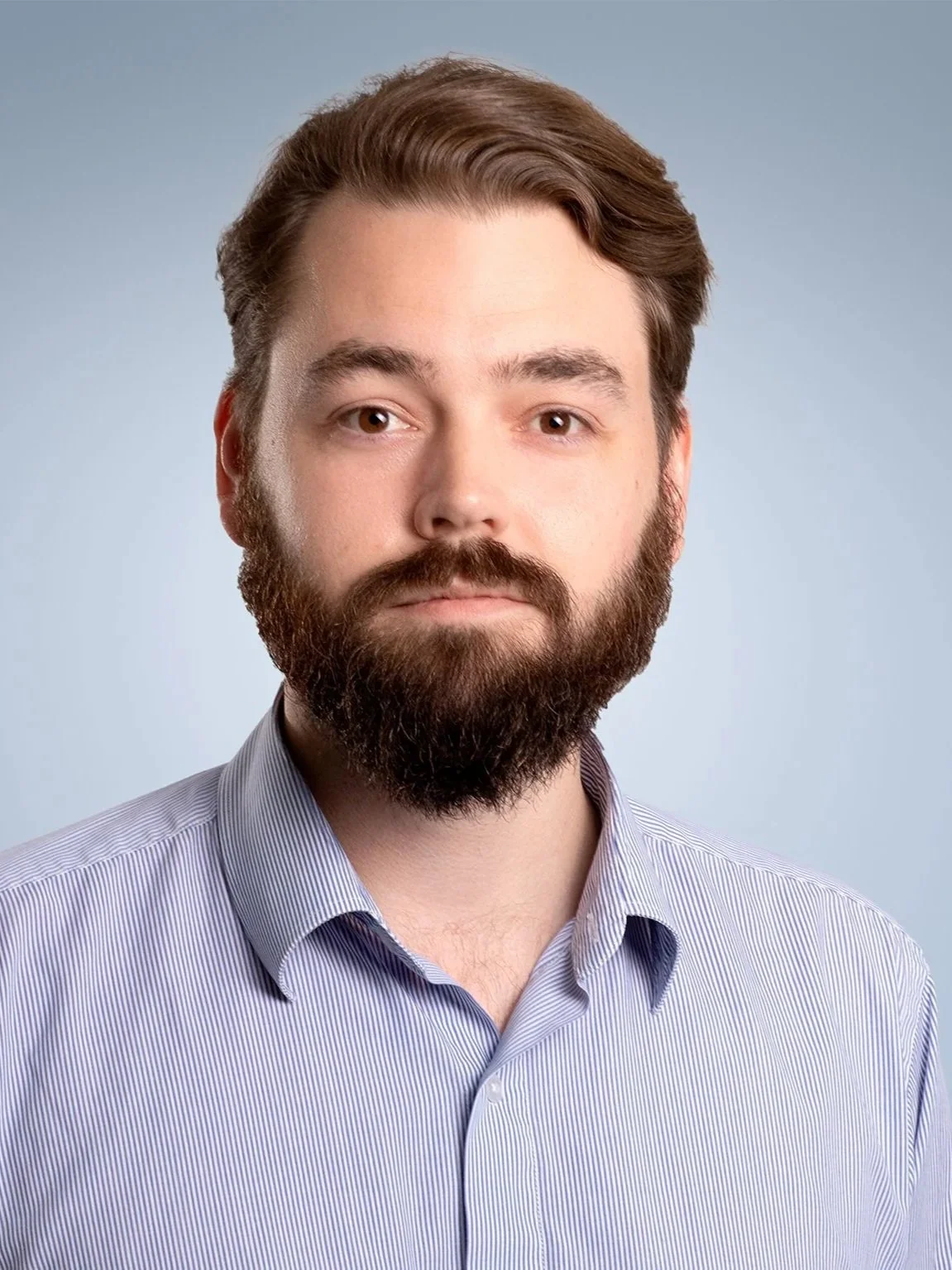
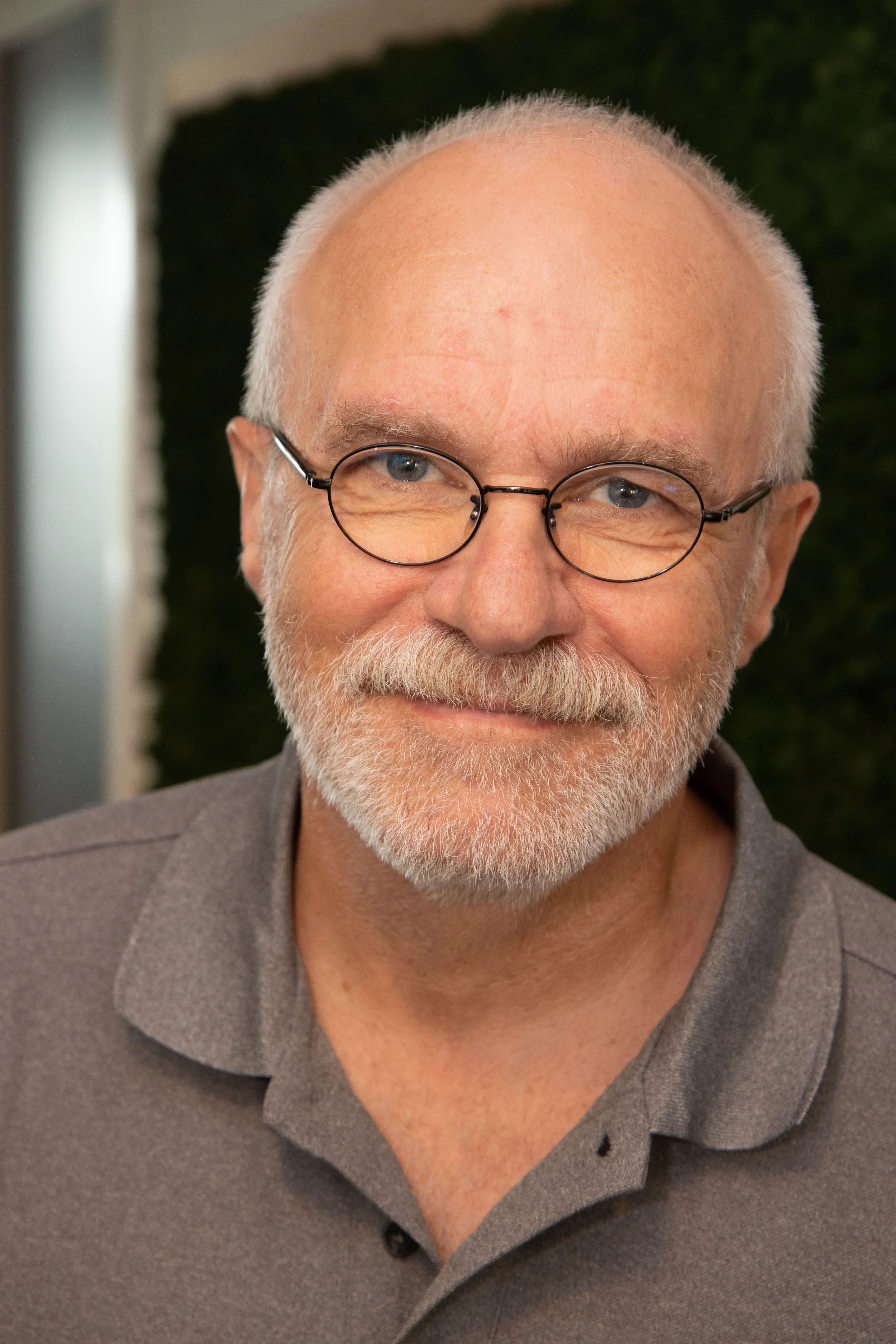
Lecture by Jan Lothe Eriksen , initiator and first CEO of the organization Safemuse - Safe Havens for Artists. As a retiree, he continues to work with artistic freedom of expression as a board member of the international freedom of expression organization Freemuse.
The seminar is in Norwegian.
Artistic freedom in war and conflict
THURSDAY, JULY 2, 10:25-10:50
Scene 2, Nynorskhuset
Art as testimony
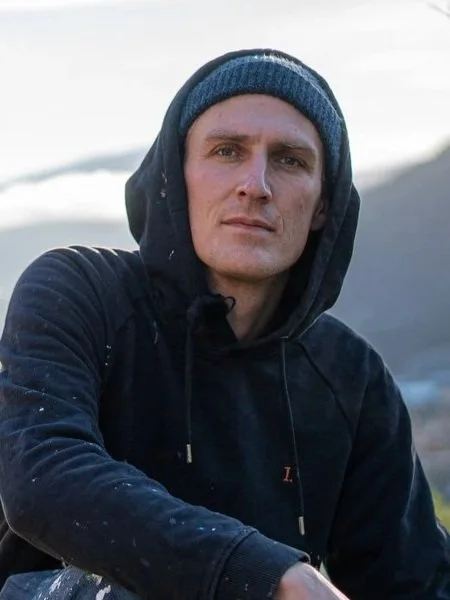
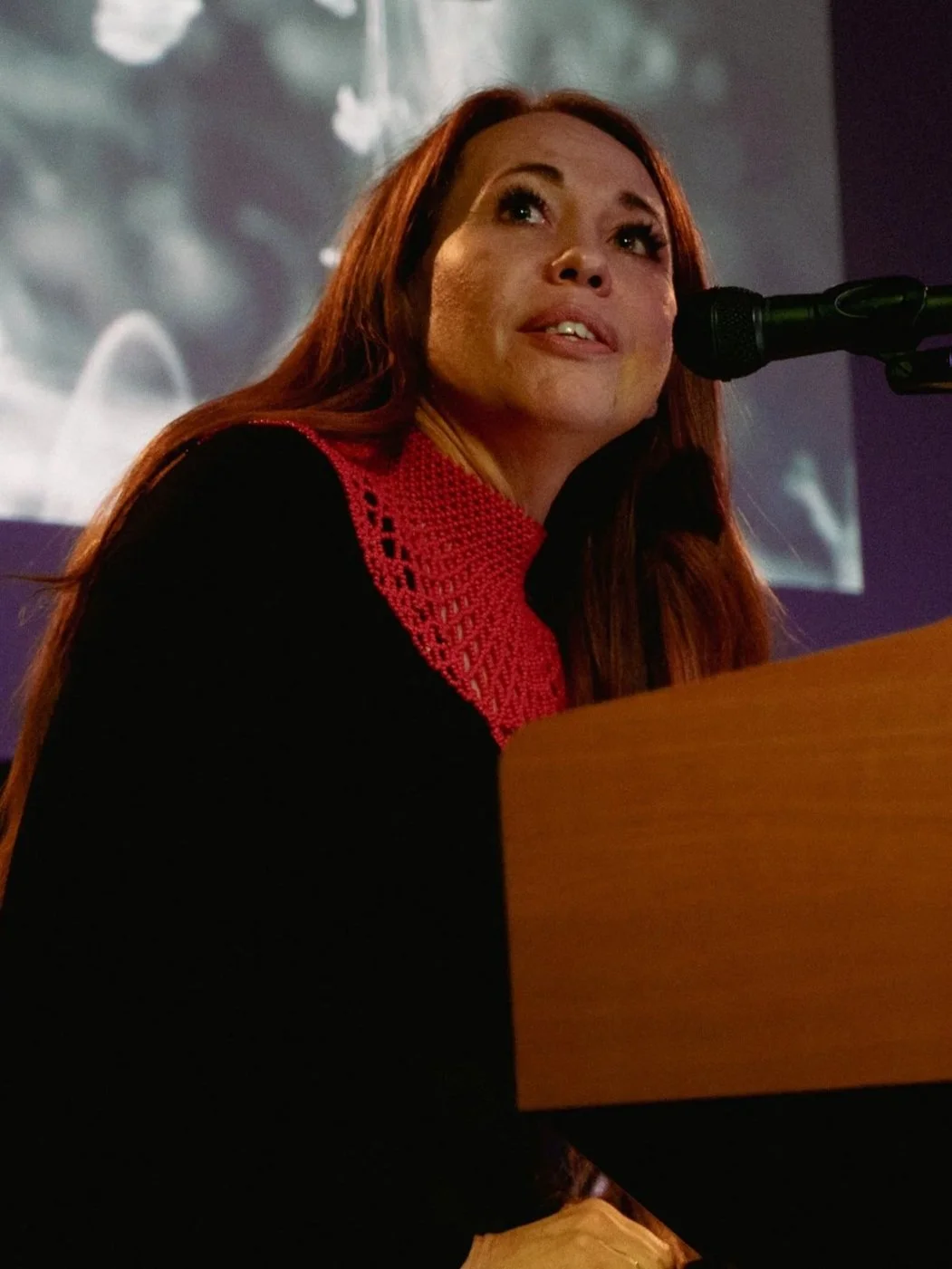
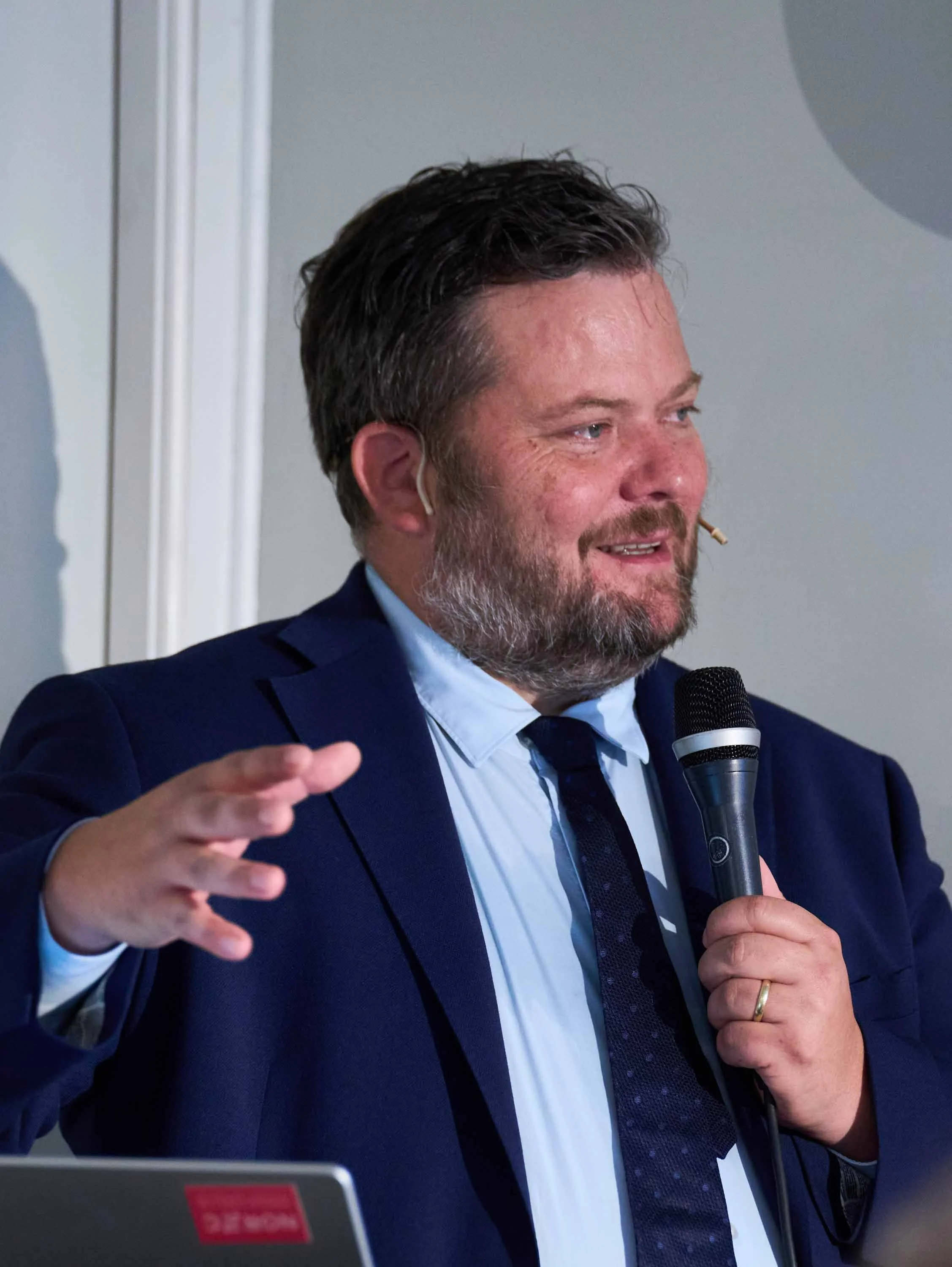
We invite you to a powerful conversation with Ukrainian-Canadian musician and journalist Marichka, led by former journalist and now communications manager at Norec, Roger Sevrin Bruland. Marichka lives a life few others do: She is an artist, war correspondent and volunteer medic, and follows Ukrainian soldiers all the way to the front lines to document war as it is experienced – by humans.
Marichka is coming. Førdefestivalen with the music and human rights project Daughters of Donbas – Songs of Stolen Children. This is a powerful testimony to the over 20,000 children who have been abducted to Russia from occupied areas in Eastern Ukraine.
Through music, storytelling and documentation, the project highlights both injustice and hope, for the affected families and for a country fighting for its future. How can one find peace and reconciliation after such acts? This is a rare opportunity to get up close to a history that is still being written.
The seminar is in English.
THURSDAY, JULY 2, 11:00-11:30
Scene 2, Nynorskhuset
Is the culture connected to the present?
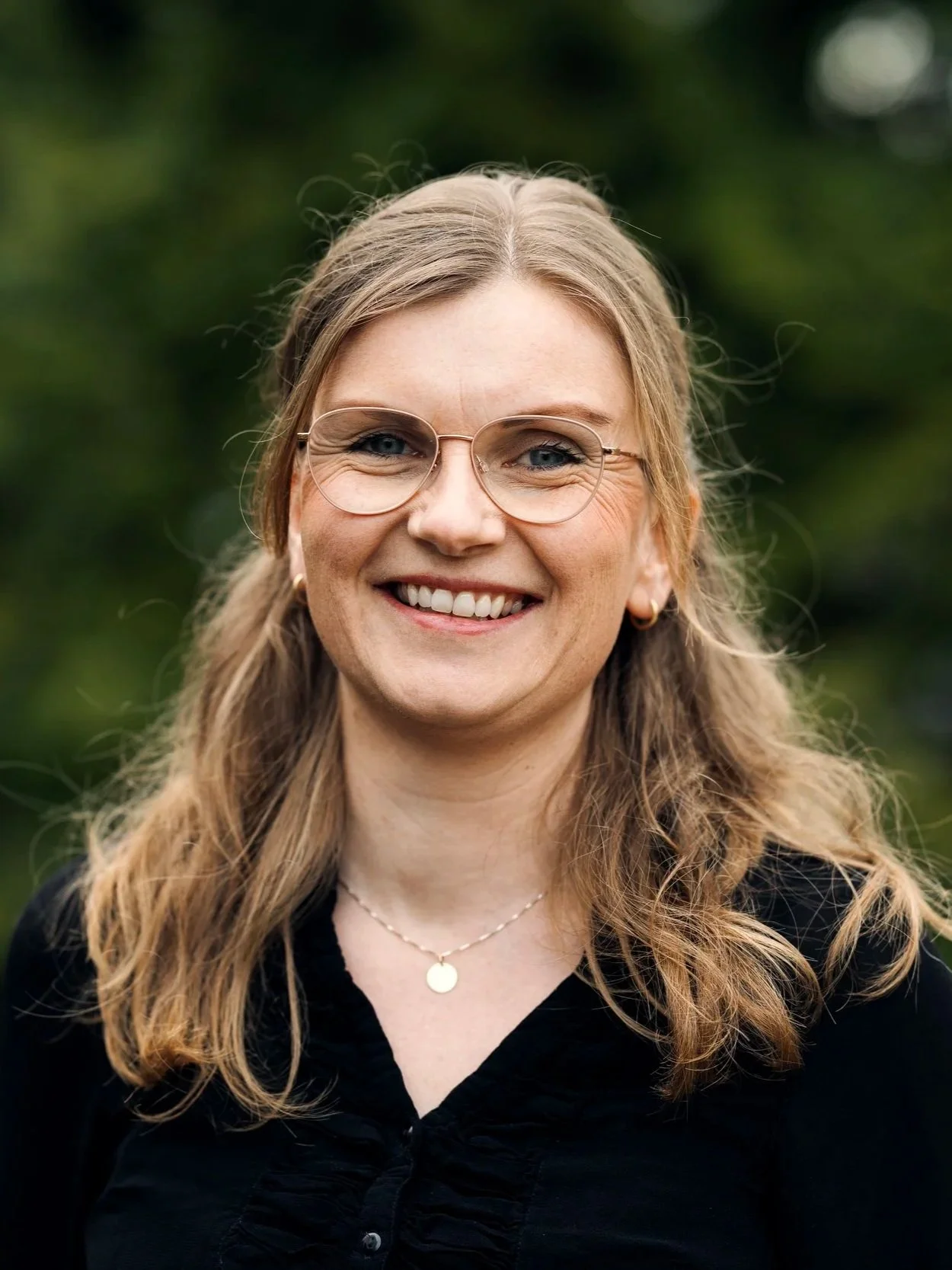
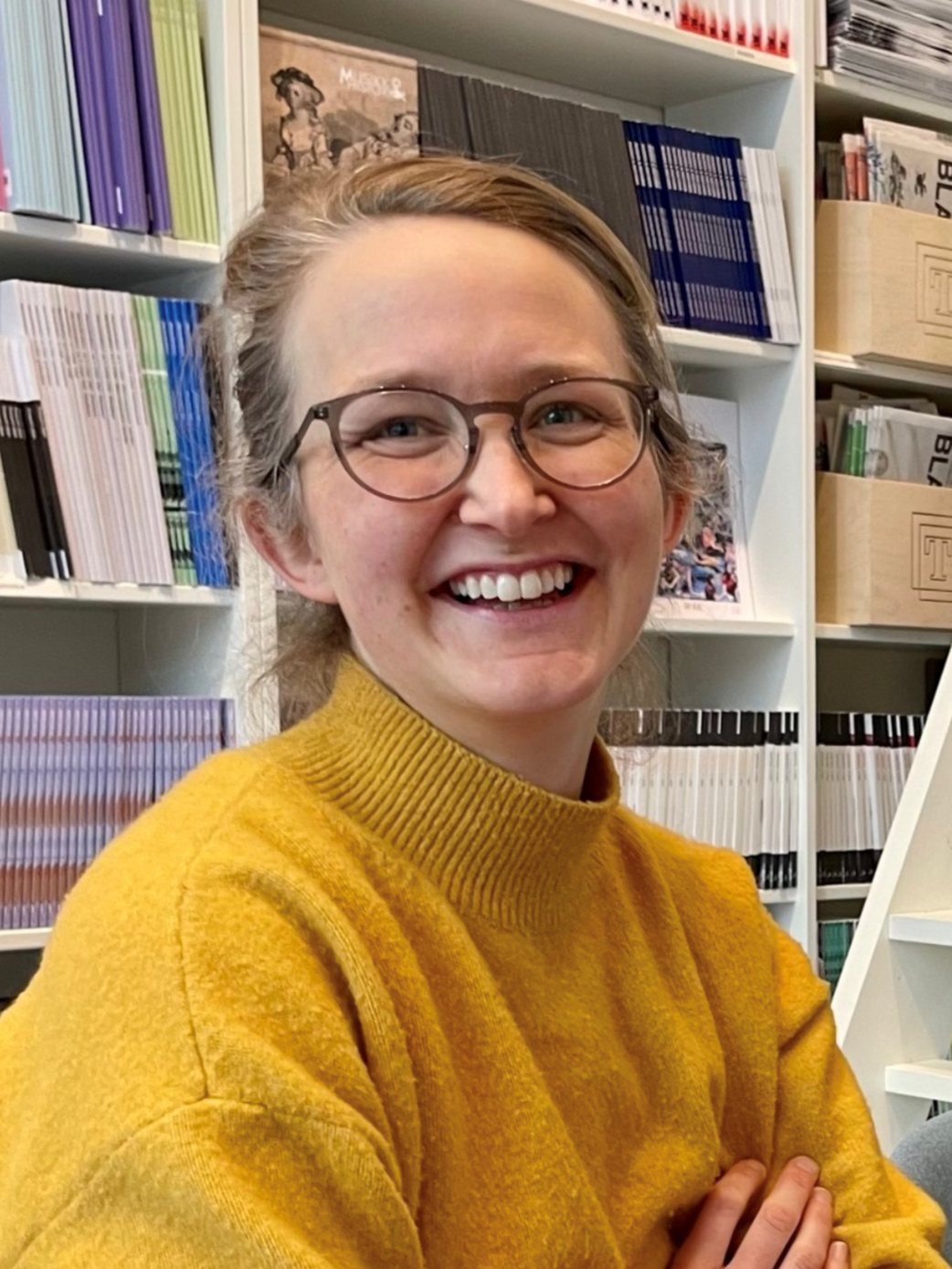
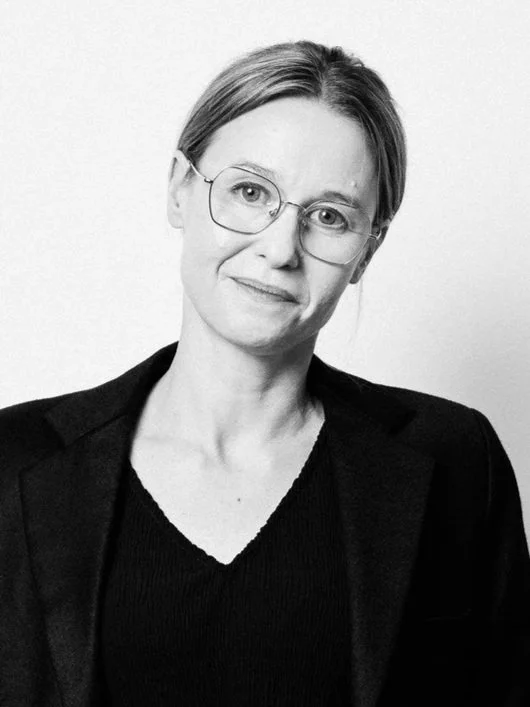
In a panel discussion with Anne Arnesen Mørch from Tekstallianse, Sølvi Lien from Førdefestivalen and Ida Pallin Bostadløkken from Kapittelfestivalen, we raise our gaze and ask the big questions: What social responsibility does cultural life have in the face of war, injustice and global crises? Where is the line between solidarity, topicality and artistic freedom? The panel discusses the tension between ethical responsibility and artistic programming – and whether culture is closely enough connected to the times we live in.
The panel discussion is in Norwegian.
This volume is a collaboration with Tekstallianse.
THURSDAY, JULY 2, 12:30-2:45 PM
Teatersalen , Nynorskhuset
Culture for Peace – perspectives on culture, power and international cooperation in a troubled world.
Is it possible to build a culture of peace as the world looks today? How can we work with dialogue, diplomacy and trust when armaments, war and suspicion are dominant? What do research, politics and experiences from the field show? Together with Norec, we shine a spotlight on how culture and international cooperation are important for peace to become not just a vision but a real alternative.
The seminar is in Norwegian.
NB! Changes have been made to this seminar in relation to what is stated in the printed program and brochure: The order of the presentations has changed - and the seminar will last until 2:45 PM. The changes were made on June 21st.
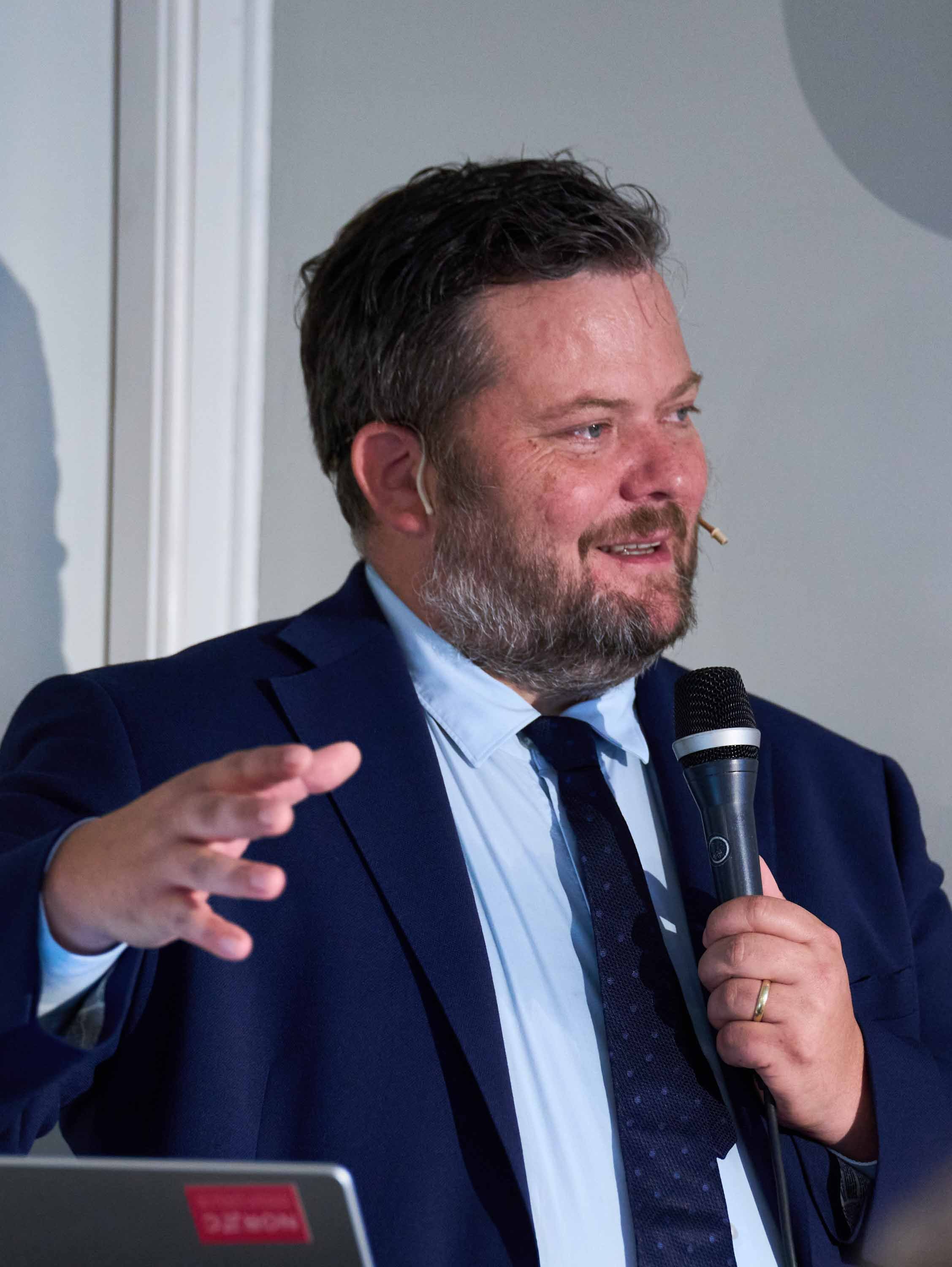
12.30 Welcome
Program director Roger Sevrin Bruland, communications manager at Norec.
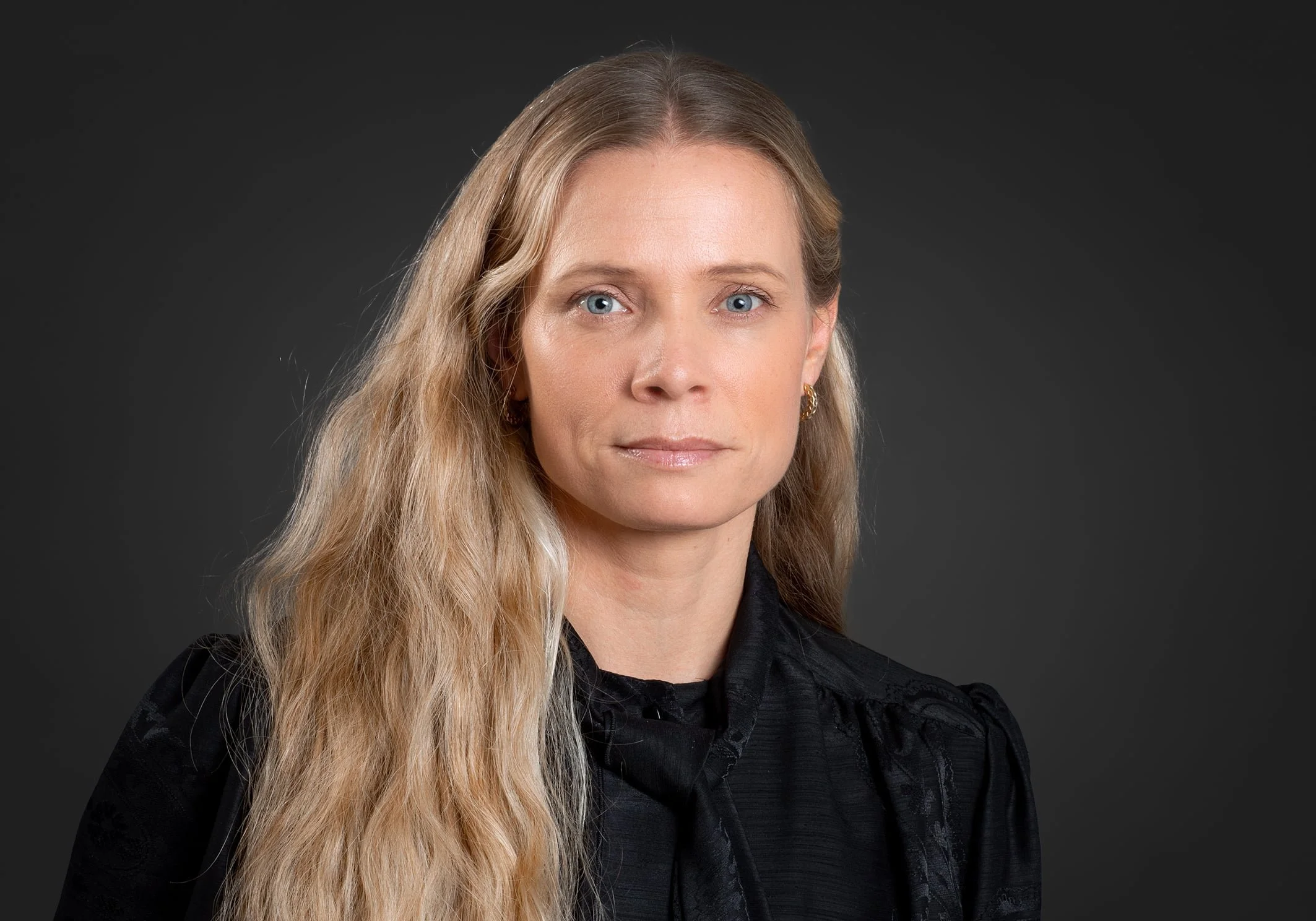
12:35 –13.00 Marte Heian-Engdal
Researcher and historian Marte Heian-Engdal opens the seminar with an engaging overview of the major trends in world politics today – about war, power and global tensions.
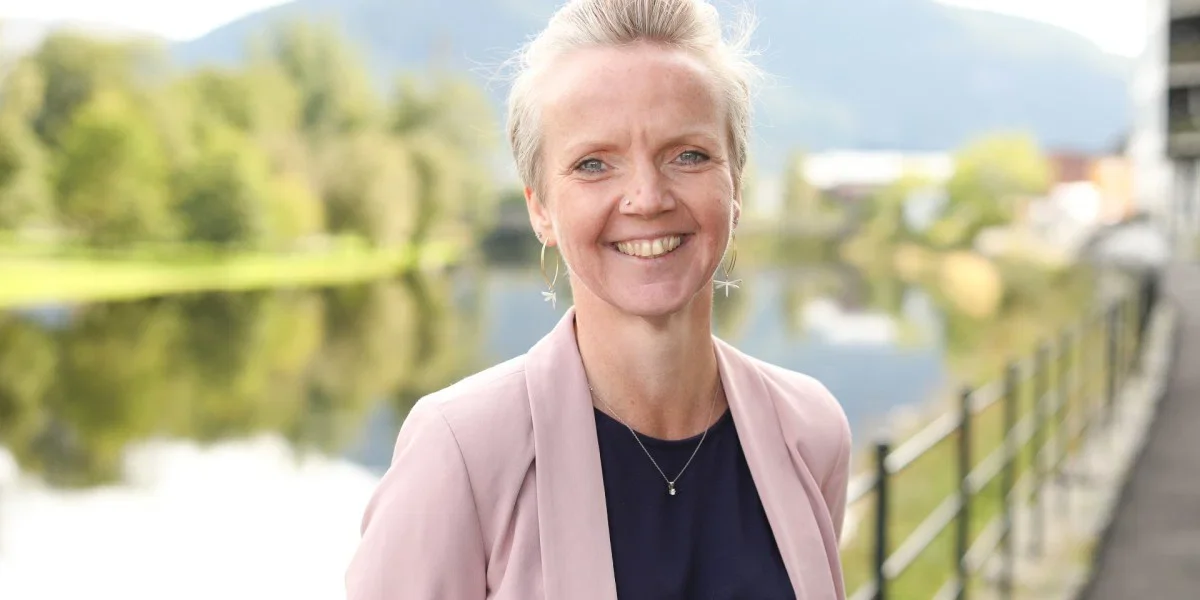
13.00 - 13.25 Ingeborg Breines
Reflections on culture, education and peace work, based on extensive experience from international work for dialogue and freedom of expression. Can UNESCO and the UN's vision of a Culture of Peace help us learn to live together in peace? Breines also shares reflections from the book "Peace Culture - Utopia or Security Policy Alternative".
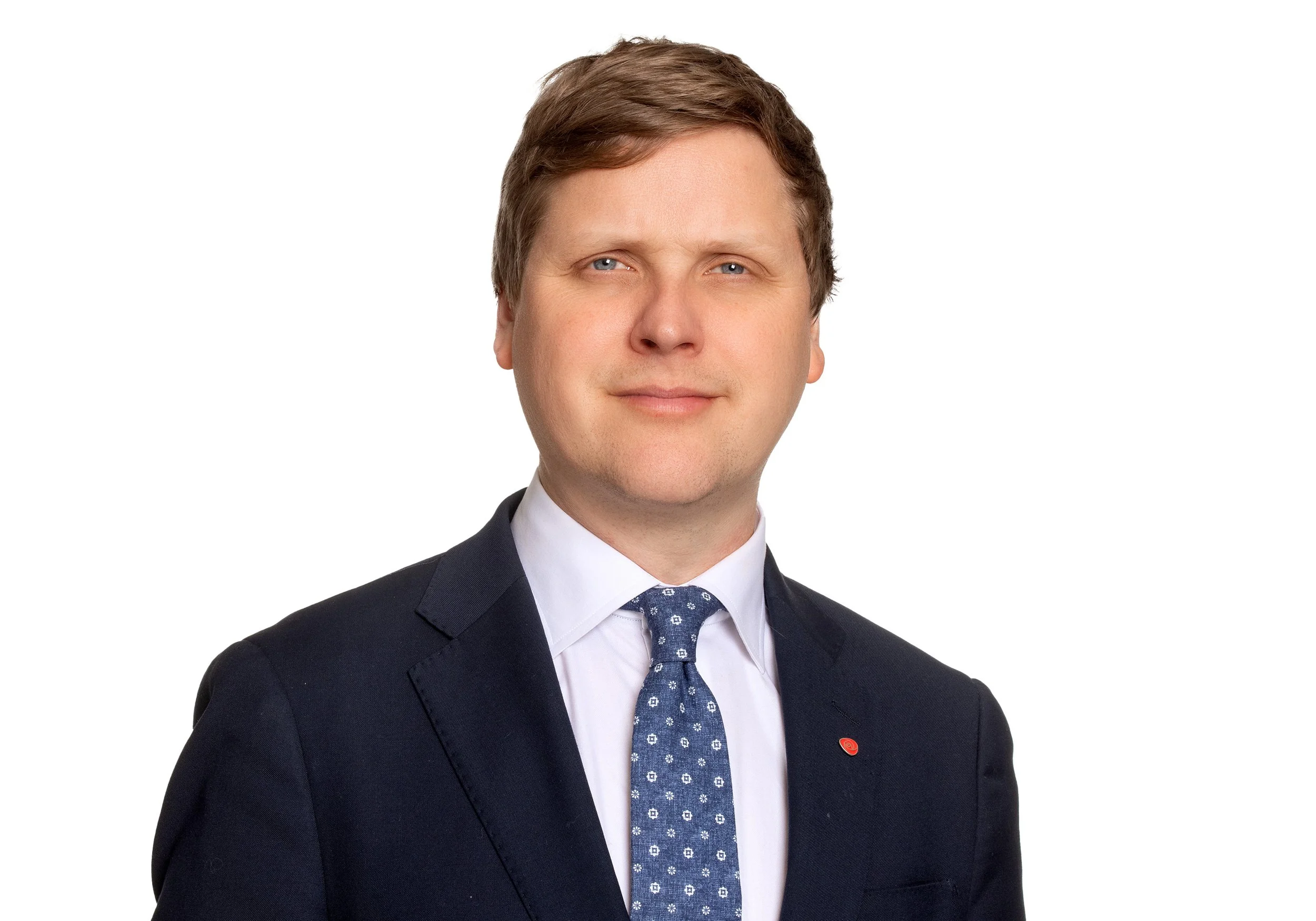
14.15 – 14.25 Minister for Development Cooperation Åsmund Aukrust
The Minister for Development provides a political perspective on international cooperation, cultural exchange and peacemaking in a turbulent world.
13.25 BREAK
13.40-14.00 Between dinner table and diplomatic crisis
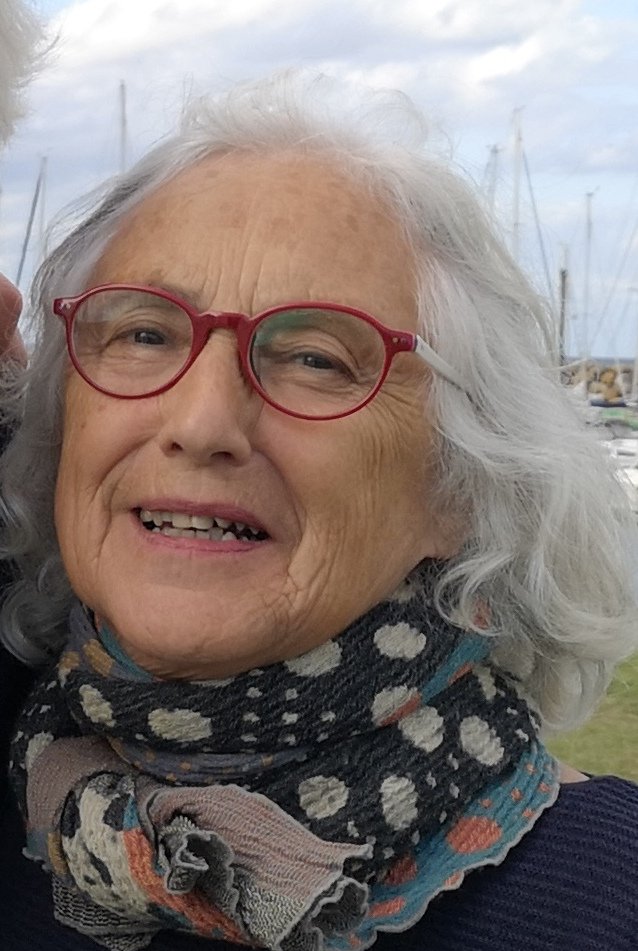
What happens when your workplace is in the middle of one of the world's most entrenched conflicts, and your home is in the same region?
Margunn Indrebø Alshaikh , Deputy Special Representative for UNDP PAPP, lives a life of profound contrasts in Israel. In this conversation, we gain a unique insight into what it is like to balance the roles of diplomat and parent in a landscape where the personal and the political are impossible to separate. How does one maintain both professional neutrality and human empathy when everyday life is in danger of unraveling?
14.25-14.45 Panel discussion: Can culture build peace?
Roger Severin Bruland talks with Heian-Engdal, Breines and Aukrust. The panel discusses how cultural exchange can contribute to sustainable peace – and what challenges lie in the field today.
FRIDAY 3 JULY 10.00-11.00
Scene 2, Nynorskhuset
Hope for the future – building a culture of peace
How do we create a culture of peace in the future, here in Vestland? Peace is not just an international issue, but something that is built in everyday life: in upbringing, community, inclusion and the way we take care of each other. With a special focus on children and young people, we look at what it takes to create robust people with good values, strong communities and resilience against injustice and injustice.
The seminar is in Norwegian.
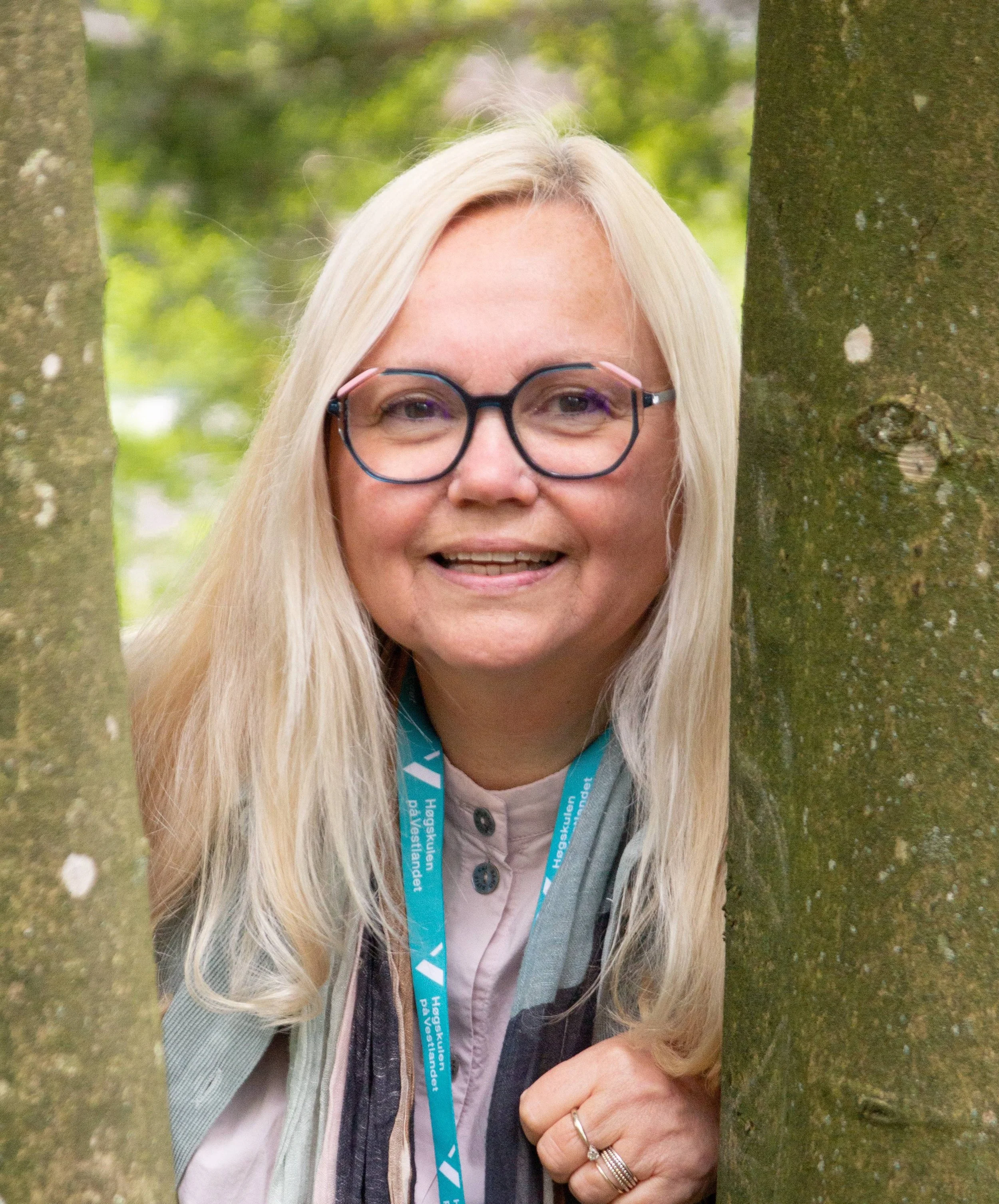
10.00-10.20
The kindergarten as an arena for peace work
War always hits the weakest with brutal consequences. In our time, where many crises are piling up on each other, we need hope and courage to act. Elin Eriksen Ødegaard, center director for BarnKunne, talks about how kindergarten can be an arena for peace work. The first years of a child's life are crucial for the development of values, attitudes and the ability to meet others with openness and respect.
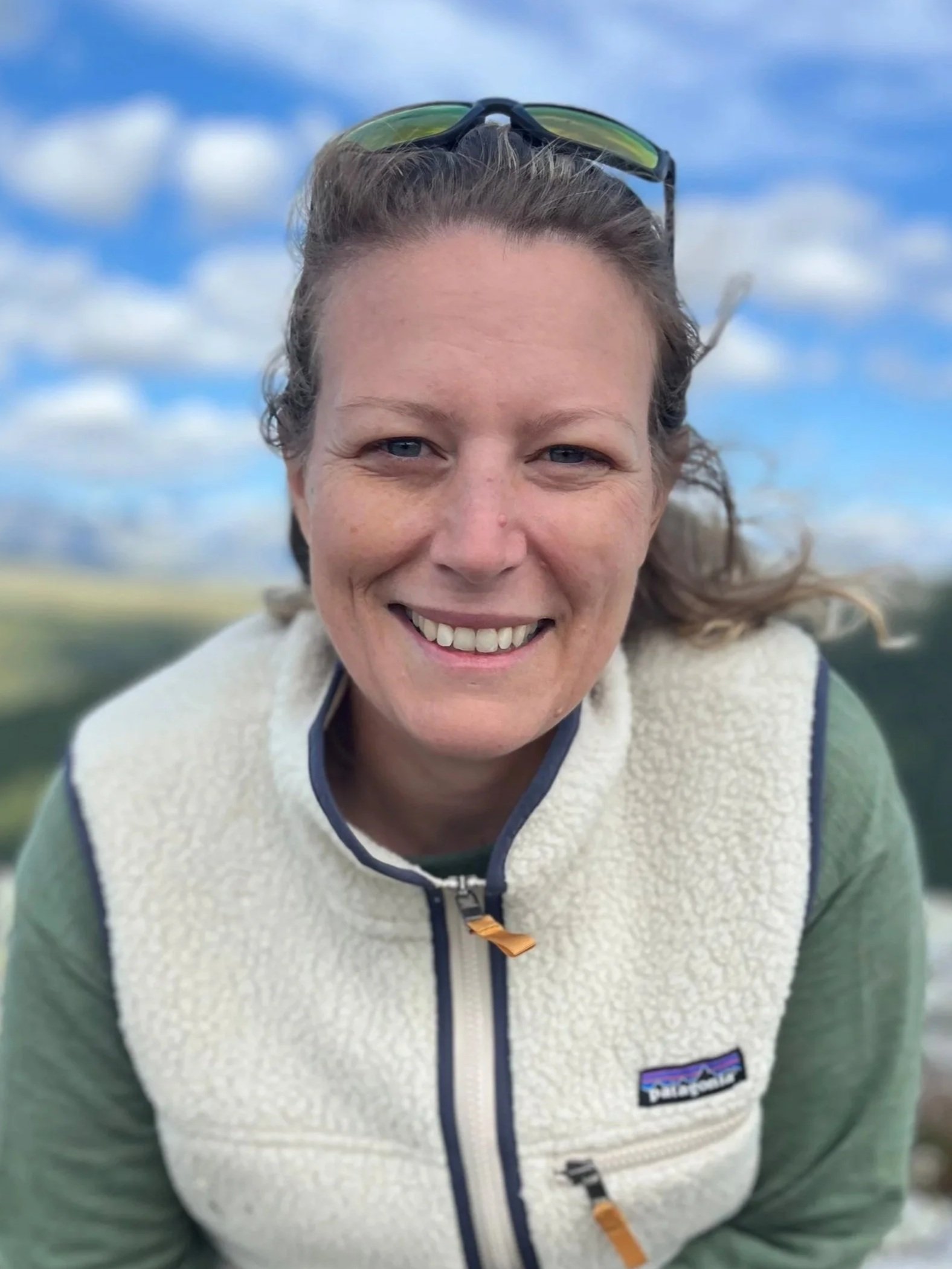
10.20-10.35
Taking care of each other – peace in practice in Vestland
How can political priorities, attitudes and concrete measures strengthen community, counteract exclusion and create safer local communities? Sarah Anderson from Vestland County Council shares experiences from work with inclusion, public health and anti-racism, with particular emphasis on youth and people in vulnerable life situations.
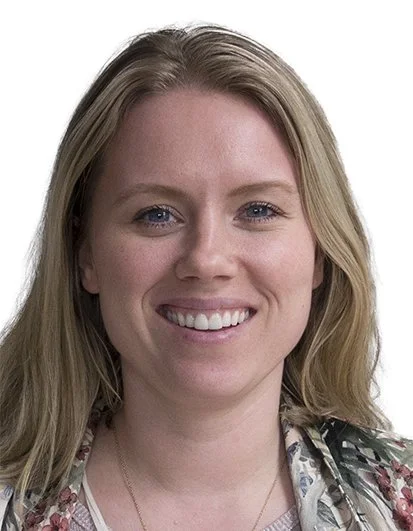
10.40-11.00
Living together – youth, diversity and hope for the future
How can young people learn to live together in a world characterized by inequality, conflict and rapid change? Through experiences from UWC's work with young people from all over the world, education is promoted as an arena for understanding, community and responsibility. Community liaison at UWC Red Cross Nordic in Flekke, Leonora Kleiven and young people from the school talk about the work with cultural sharing and cultural understanding.
FRIDAY 3 JULY 14.00-14.30
Førde library, Førdehuset
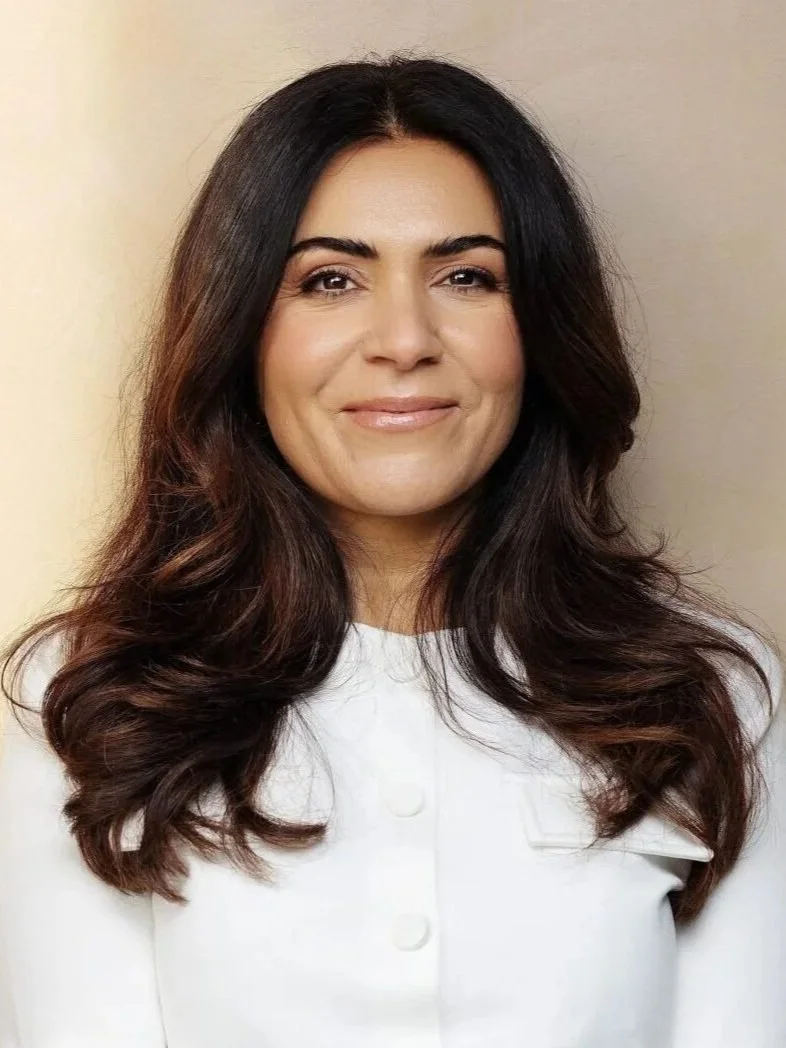
Book discussion with Rima Iraki
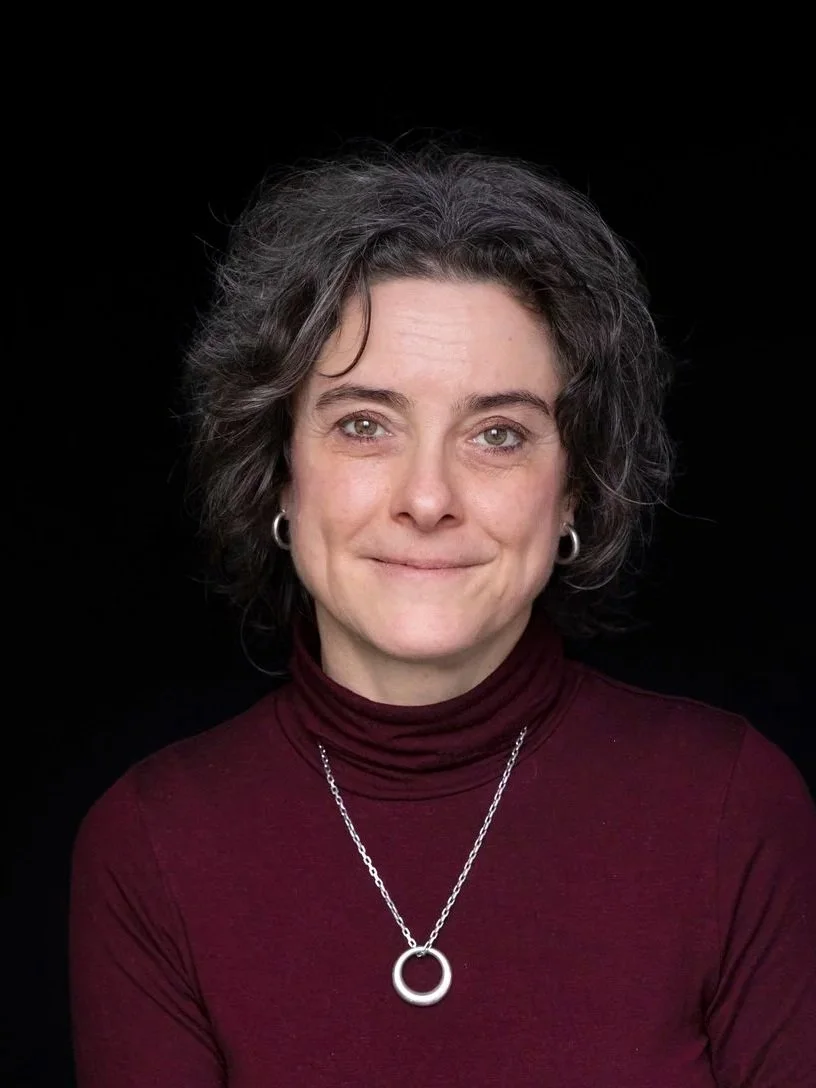
We invite you to a book discussion with Rima Iraki, who is currently writing her book "The Flight from Palestine". The discussion will be led by journalist and author Katrine Sele.
Rima's grandfather fled Palestine in 1948. Her parents fled further. Rima Iraki herself was born in East Berlin, the third generation to flee. They always said they would return to Palestine. They would only be gone for a few weeks, until it was safe. The flight, all the new countries – everything was temporary. More than half a century later, it seems less likely than ever that Rima Iraki's family will be able to return home.
As a program host in Dagsrevyen and Urix , Iraki reported for many years about war, conflict and refugee trauma. Now, for the first time, she tells her own strong family story. The book shows the consequences of the war through three generations, and takes us up close to the human costs of big politics. It is about upheaval, about constantly having to put down new roots, and about hope, resilience and identity.
The book discussion is in Norwegian.
SATURDAY, JULY 4TH, 12:00-12:25
Røyst Food & Wine, Nynorskhuset
The Coffee Talk: HrayBery
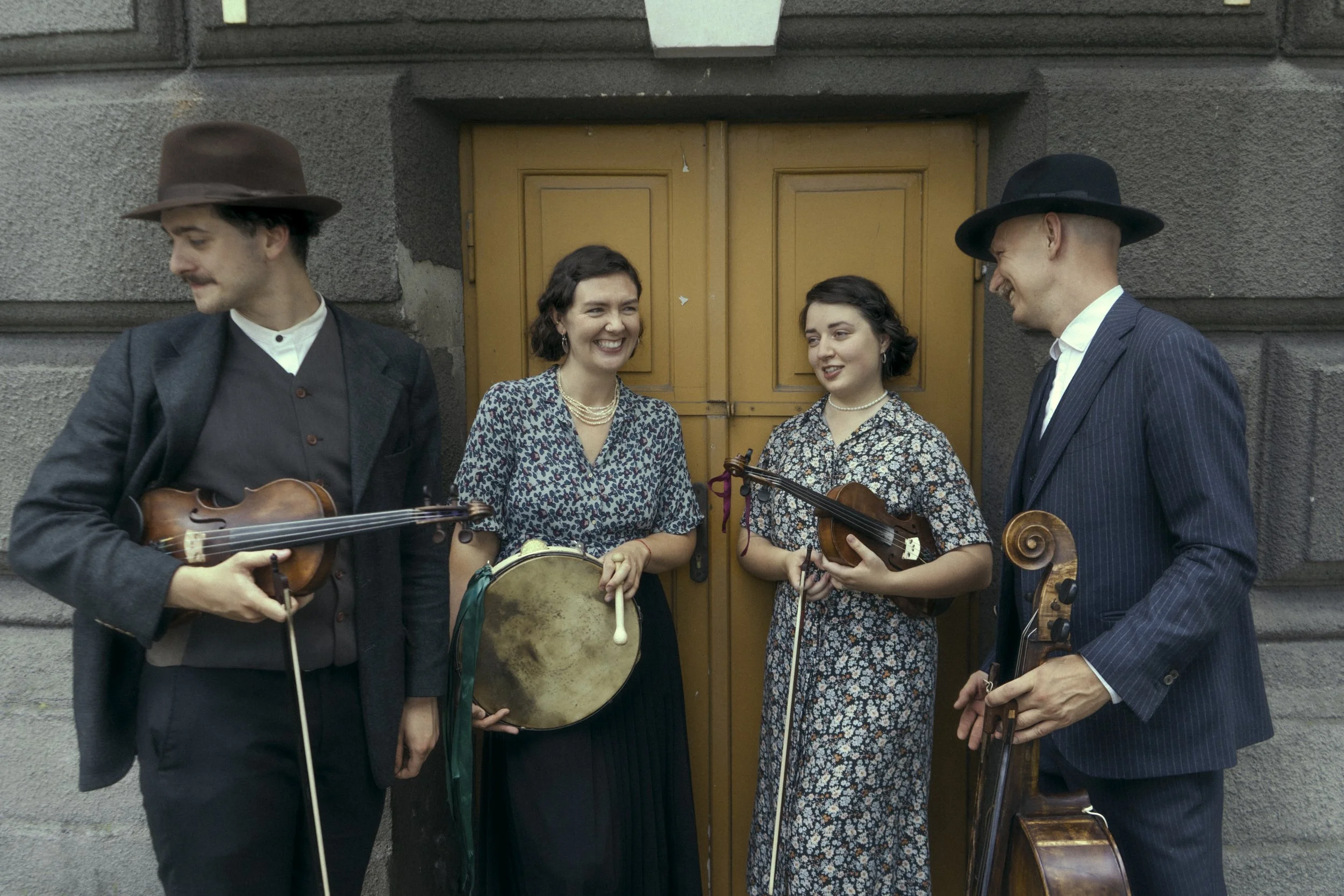
The Polish-Ukrainian group HrayBery gives new life to forgotten dance music from the border area between Poland and Ukraine. The music has roots all the way back to the 16th century, and reflects a time when the area was a mixture of dialects, language and music in a multicultural and peaceful melting pot where Ukrainians, Poles, Jews and Roma people lived side by side. HrayBery plays on authentic instruments, and is an important testimony of a bygone era in this area.
You meet HrayBery in conversation with Martina Laab, music journalist on Austrian radio.
The conversation is in English.
SATURDAY, JULY 4, 3:30 PM-3:55 PM
Røyst Food & Wine, Nynorskhuset
The Coffee Talk: Jawa
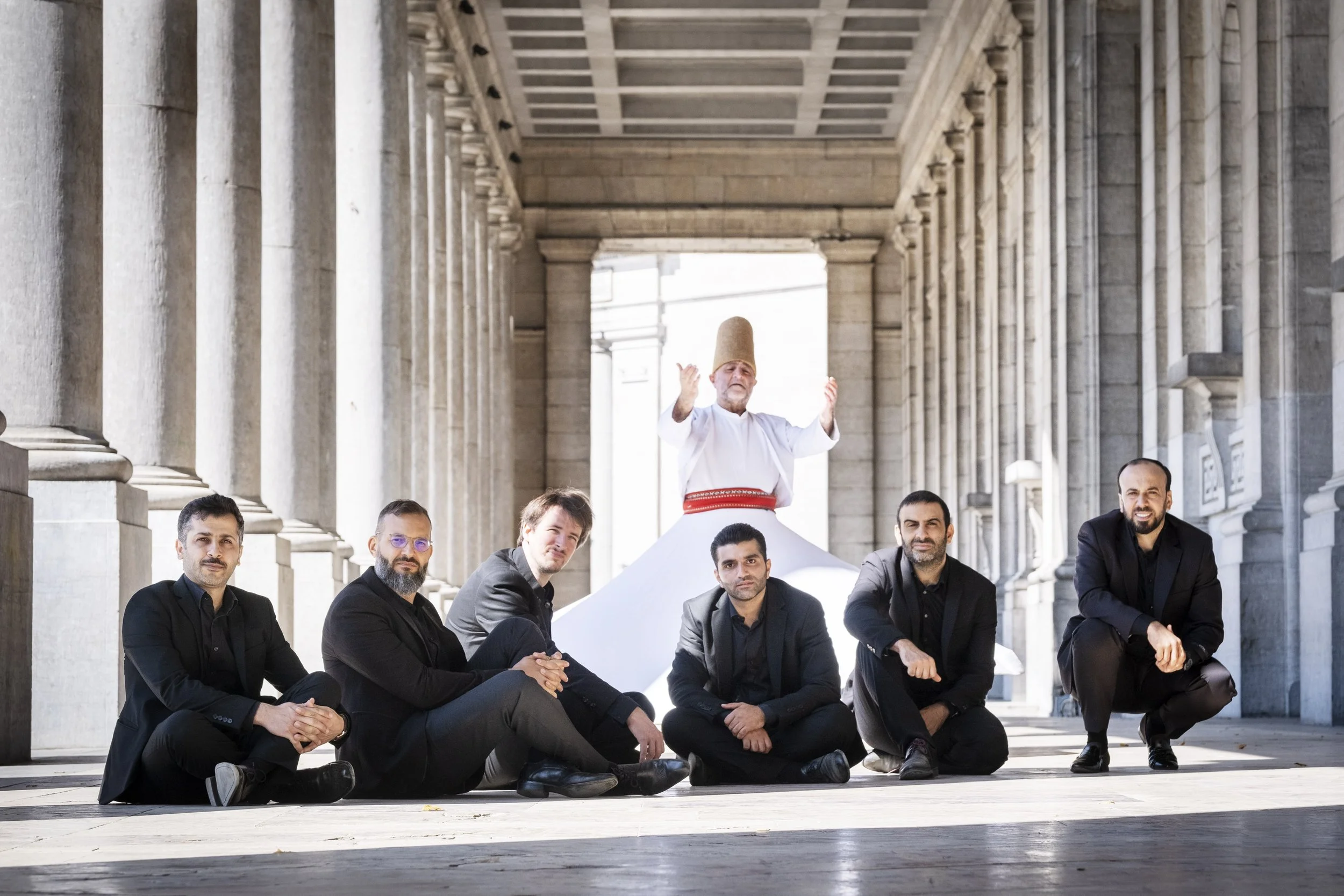
Jawa is a music ensemble from Syria, and aims to preserve and reinterpret the Sufi musical heritage of Aleppo, a tradition now threatened by the war in Syria. The conversation with Jawa will focus on both the musical traditions they manage from a war-torn country, but also the role of music and Sufi philosophy in creating peace of mind.
You meet Jawa in conversation with Martina Laab, music journalist on Austrian radio.
The conversation is in English.